We strengthen health systems through rights-based, equity-focused consulting—advancing human rights, gender integration, policy development, and data-driven strategies for sustainable, inclusive outcomes across communities.
We strengthen health systems through rights-based, equity-focused consulting—advancing human rights, gender integration, policy development, and data-driven strategies for sustainable, inclusive outcomes across communities.
Advance equity with expert consulting support! Work with Us



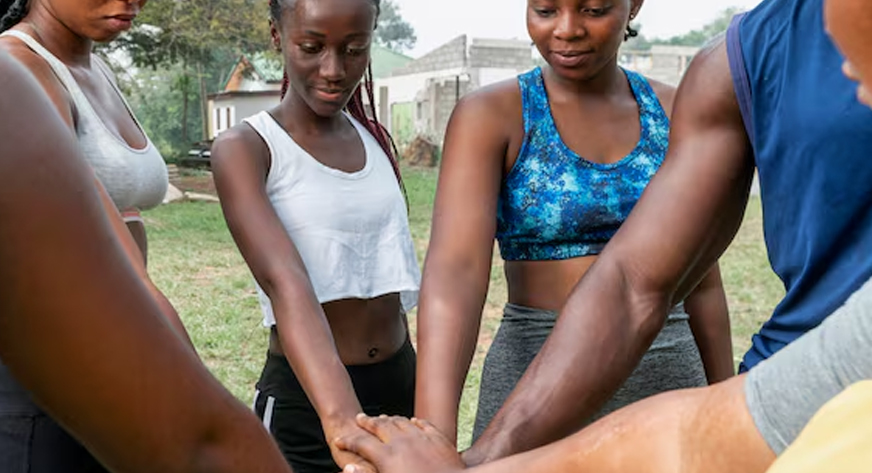
Gender inequality continues to shape health, education, economic opportunity, and overall well-being across Uganda. From the pastoralist communities of Karamoja, to the fishing communities in Busoga, to urban settlements in Kampala and refugee-hosting districts in West Nile, women and girls encounter systemic barriers that limit their access to services and full participation in development. Gender-responsive programs offer a practical pathway for addressing these gaps. By integrating gender considerations into every stage of program design, implementation, and evaluation, organizations can create inclusive, sustainable solutions that deliver measurable and equitable impact for all community members.
"Gender-responsive programs succeed when every woman and girl, from Karamoja to Kampala, is empowered to shape the decisions that shape her life."
Gender inequality takes different forms across Uganda’s diverse communities. Effective program design begins with a deep understanding of local cultural norms, barriers, and power dynamics affecting women, men, girls, and boys.
A gender analysis identifies specific barriers and opportunities affecting different groups. This step ensures that interventions do not reinforce existing inequalities but instead promote equitable progress.
Gender considerations must be embedded across all program components to ensure sustainable and equitable outcomes for women, men, and marginalized groups.
Sustainable gender-responsive programs depend on strong community engagement. Uganda’s diverse community structures offer unique opportunities to drive transformative change.
Programs must equip staff and partners with the necessary skills and tools to consistently apply gender perspectives throughout implementation.
Tracking gender outcomes ensures accountability and helps programs remain adaptive to community needs and changing contexts.
Long-term impact requires addressing structural inequalities and strengthening systems that support gender equality at all levels.
Gender-responsive programs are essential for building a fair, inclusive, and resilient Uganda. When organizations design interventions grounded in gender analysis, community realities, and rights-based principles, they create solutions that work for everyone. By empowering women and girls, engaging men and boys, strengthening systems, and consistently measuring impact, programs deliver measurable, sustainable outcomes that benefit entire communities. Now is the time to prioritize gender-responsive approaches. Partner with us to design programs that advance equality, drive social transformation, and deliver long-term, equitable impact across Uganda.